

The Business Value of SAP Cloud ERP for Supply Chain Management
Real time visibility, predictive planning, and built in AI are turning the supply chain from a cost center into a competitive advantage. Here is what that shift actually delivers, and what it takes to get there.
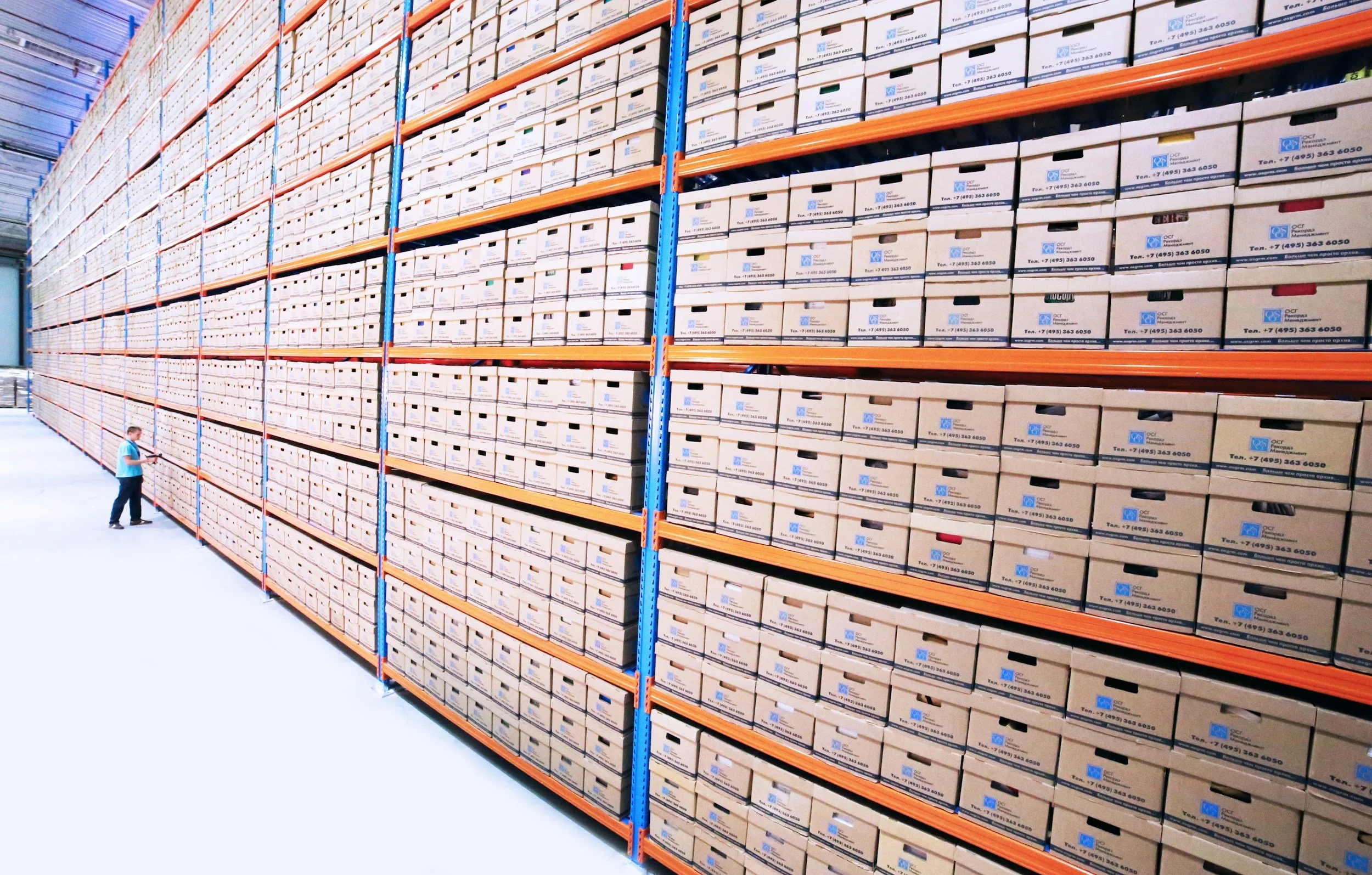
Supply chains do not fail quietly. A late shipment, a stockout, an inaccurate forecast, each one ripples outward into missed revenue, expedited freight, and customers who take their business elsewhere. For years, the answer was to bolt more point solutions onto an aging ERP core: a planning tool here, a warehouse system there, a spreadsheet to tie it all together. That approach is running out of road.
SAP Cloud ERP, delivered through S/4HANA Cloud and its surrounding suite of planning, warehouse, and logistics applications, was built to replace that patchwork with a single, real-time system of record. For supply chain leaders, the business case is no longer theoretical. It shows up in inventory turns, forecast accuracy, and how fast an organization can respond when a supplier goes dark or demand shifts overnight.
The Cloud Shift in Supply Chain Management
SAP Cloud ERP unifies finance, manufacturing, sales, procurement, and supply chain management into one intelligent platform, powered by the in memory HANA database. Instead of nightly batch jobs and reconciled extracts, planners, buyers, and warehouse managers work from the same live data, and the platform layers built in AI and industry specific best practices on top of it.
That shift matters most in supply chain, where conditions change by the hour. Cloud delivery means the underlying infrastructure scales with demand rather than being capped by whatever hardware was provisioned years ago, and new capabilities, from machine learning forecasts to control tower analytics, arrive as regular updates rather than multiyear upgrade projects.
Real Time Visibility Across the Supply Chain
The most immediate value of SAP Cloud ERP is also the simplest to explain; everyone is finally looking at the same numbers, at the same time. Inventory positions, order status, supplier commitments, and transportation events all live in one platform instead of being scattered across warehouse management add-ons, planning spreadsheets, and email threads.
● Faster problem detection. A stockout risk or a delayed inbound shipment surface immediately instead of showing up days later in a reconciled report.
● One version of the truth. Finance, procurement, and operations stop arguing about whose numbers are correct because there is only one data source.
● Control tower visibility. SAP Supply Chain Control Tower connects planning, execution, and external signals into a single view of the end-to-end network, so exceptions are visible before they become customer facing problems.
Predictive Demand Planning with SAP Integrated Business Planning
SAP Integrated Business Planning, or IBP, is where SAP Cloud ERP moves from reactive to predictive. Running natively on HANA, it blends statistical forecasting with machine learning models that weigh historical sales alongside external variables such as promotions and seasonality, producing forecasts that are measurably sharper than traditional spreadsheet driven methods.
IBP also brings multi echelon inventory optimization, something the legacy SAP Advanced Planning and Optimization tool never fully delivered, along with collaborative sales and operations planning that finally connects demand, supply, and financial plans in one cycle instead of three disconnected ones. The practical result is fewer surprises: less safety stock sitting idle, fewer emergency reorders, and a planning team that spends its time on exceptions instead of data reconciliation.
Inventory Optimization and Cost Reduction
Inventory is where supply chain strategy meets the balance sheet, and it is consistently one of the first places organizations see measurable savings after a cloud ERP move. With accurate, real time stock visibility across every location, businesses carry less safety stock without increasing stockout risk, and they stop paying to store, insure, and eventually write off excess inventory that a better forecast would have prevented.
Procurement benefits follow the same logic. When buyers can see actual consumption and open orders in real time, they negotiate from a position of accurate data rather than gut instinct, which is a large part of why cost reductions from cloud ERP concentrate so heavily in purchasing and inventory management.
Building a Resilient, Risk Ready Supply Chain
Resilience used to mean holding more buffer stock and hoping for the best. SAP Cloud ERP treats it as a planning discipline instead. What if analysis inside IBP lets planners model a port closure, a raw material shortage, or a demand spike before it happens, so the response is a rehearsed plan rather than a scramble.
The results back this up. In one documented case, a consumer-packaged goods manufacturer that modernized its SAP IBP environment cut system disruptions by half and roughly tripled the effectiveness of its demand planning process, alongside full coverage on system upgrades that had previously lagged. That is the pattern across the SAP ecosystem right now: organizations shifting from reactive firefighting to proactive orchestration, using cloud, AI, and integrated planning together rather than as separate initiatives.
Automation and the Intelligent, AI Enabled Supply Chain
SAP Cloud ERP's supply chain value increasingly comes from what it automates, not just what it displays. AI agents built into the platform can trigger replenishment, flag anomalies in supplier performance, and route exceptions to the right person without a human initiating every step. Combined with SAP Business Network for supplier collaboration and SAP Business Technology Platform for extensions, the result is a supply chain that increasingly manages its own routine decisions and reserves human judgment for the ones that actually need it.




Where Many Supply Chain Systems Still Lag Behind
Here is the part of the story most vendor content leaves out. Finance is almost always first in line for S/4HANA migration, because it is the easiest business case to build and the one leadership feels most directly. Supply chain systems, warehouse management, advanced planning, production planning and detailed scheduling, transportation management, routinely get pushed to a later phase, or worse, left untouched until the SAP ECC maintenance deadline forces the issue.
That gap is a real business risk. A finance team running cleanly on S/4HANA connected to a legacy WM or APO environment inherits every integration quirk of the old system, plus the new complexity of the migration. Organizations that treat supply chain as an afterthought in their S/4HANA roadmap tend to pay for it later, in rushed timelines and workarounds that never quite get revisited.
How ERPfixers Helps You Realize This Value
Understanding the business case for SAP Cloud ERP is one thing. Executing the migration, configuration, and optimization work to actually capture it is another, and it is where most internal teams need reinforcement. ERPfixers connects organizations to vetted, senior SAP consultants and system experts across the full supply chain landscape, on demand, without the overhead of a traditional staffing engagement.
S/4HANA Migration & Roadmap
Sequencing supply chain modules, WM, PP, MM, alongside finance so nothing gets left on legacy ECC.
SAP IBP & Planning
Configuration and optimization for demand planning, S&OP, and multi echelon inventory strategy.
EWM & Warehouse Modernization
Moving from classic WM to Extended Warehouse Management without disrupting daily operations.
Optimization Assessments
Independent review of your current SAP supply chain configuration, with a prioritized action plan.
Whether the need is a single expert to unblock a stalled configuration issue or a full team to carry a multi module migration, ERPfixers provides direct access to specialists who have done this work inside real SAP landscapes, not just in a classroom.

Ready to put your supply chain on SAP Cloud ERP?
Talk to an ERPfixers SAP expert about your S/4HANA supply chain roadmap, whether you are just starting the business case or already mid migration.